The Benefits and Challenges of Naturally Brooding Heritage Turkeys

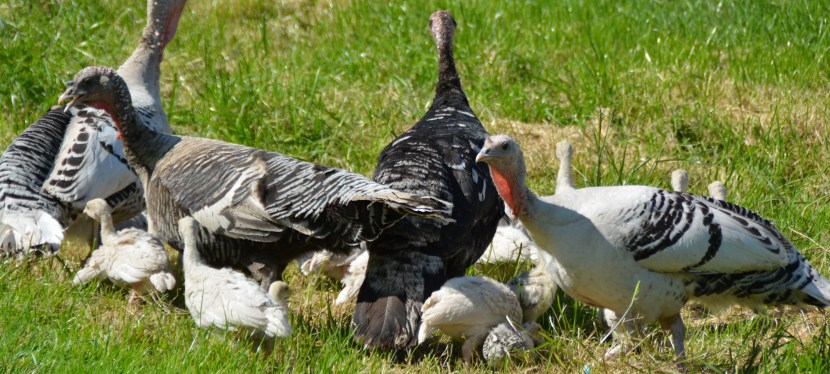
Naturally brooding heritage turkeys is a practice that allows turkey hens to hatch and raise their own poults (baby turkeys) without human intervention. This method of reproduction is more natural and traditional than artificial incubation and brooding, which involve using machines and equipment to control the temperature, humidity, and ventilation of the eggs and poults. Naturally brooding heritage turkeys has many benefits, but also some challenges that need to be considered and addressed. Here are some of the pros and cons of this practice:

Benefits
Improved maternal instincts: Naturally brooding heritage turkeys develop stronger maternal instincts than artificially incubated and brooded ones. They learn how to select a suitable nesting site, protect their eggs from predators and parasites, care for their poults, teach them how to forage and socialize, and defend them from threats. These skills are essential for the survival and well-being of the turkeys and their offspring.

Natural immunity: Naturally brooded poults inherit some of their mother’s immunity through the egg yolk and also by getting exposed to various microorganisms in the environment, which helps them build their own immune system. This makes them more resistant to diseases and infections than artificially incubated and brooded poults, which are often kept in sterile conditions and given antibiotics.

Reduced stress: Naturally brooding heritage turkeys experience less stress than artificially incubated and brooded ones. They do not have to endure the noise, vibration, and artificial lighting of the machines, nor the sudden change of temperature and humidity when they are transferred from the incubator to the brooder. They also have more freedom to move around, explore, and interact with their mother and siblings. This reduces their fearfulness, aggression, and feather pecking behaviors.

Lower costs: Naturally brooding heritage turkeys can save money for the farmers or hobbyists who raise them. They do not have to invest in expensive equipment, electricity, feed, bedding, or medication for the incubation and brooding process. They only need to provide a safe nesting area, fresh water, and supplemental feed for the hen and her poults.


Challenges
Predation: Naturally brooding heritage turkeys are more vulnerable to predators than artificially incubated and brooded ones. They can be attacked by foxes, raccoons, skunks, coyotes, hawks, owls, snakes, or dogs while they are nesting or roaming in the backyard. To prevent this, it is important to provide a secure coop or pen for the hen and her poults, especially at night. It is also advisable to use electric fencing, guard animals, or scare devices to deter potential predators.

Nest location: Naturally brooding heritage turkeys can be very secretive about their nest location. They may choose a spot that is hidden from view, such as under a bush, in a pile of leaves, or in a corner of a shed. This can make it difficult for the farmers or hobbyists to monitor the hen’s condition, check the eggs’ fertility, or assist in case of emergency. To avoid this problem, it is recommended to train the hen to nest in a designated area that is easy to access and inspect.

Poult survival: Naturally brooded poults have a lower survival rate than artificially incubated and brooded ones. They can die from exposure to cold or heat, dehydration, starvation, injury, disease, or infection. To increase their chances of survival, it is essential to provide them with adequate shelter, warmth, water, and feed. It is also important to watch out for signs of illness or injury, such as lethargy, diarrhea, bleeding, or limping, and treat them promptly or seek veterinary help if needed.

Flock integration: Naturally brooding heritage turkeys can have difficulties integrating with the rest of the flock. They may be rejected, bullied, or attacked by the other turkeys, especially the dominant ones. This can cause stress, injury, or death to the hen and her poults. To prevent this, it is advisable to introduce them gradually and carefully to the flock, preferably when they are at least eight weeks old and fully feathered. It is also helpful to provide enough space, feeders, waterers, and hiding places for the hen and her poults to avoid competition and conflict.

Naturally brooding heritage turkeys is a rewarding and fascinating experience that can enrich the lives of both the turkeys and their owners. However, it also requires careful planning, preparation, and management to ensure the safety and health of the hen and her poults. By following some of the tips mentioned above, you can enjoy the benefits and overcome the challenges of this practice.
 TURKEY COLOR GENETICS